
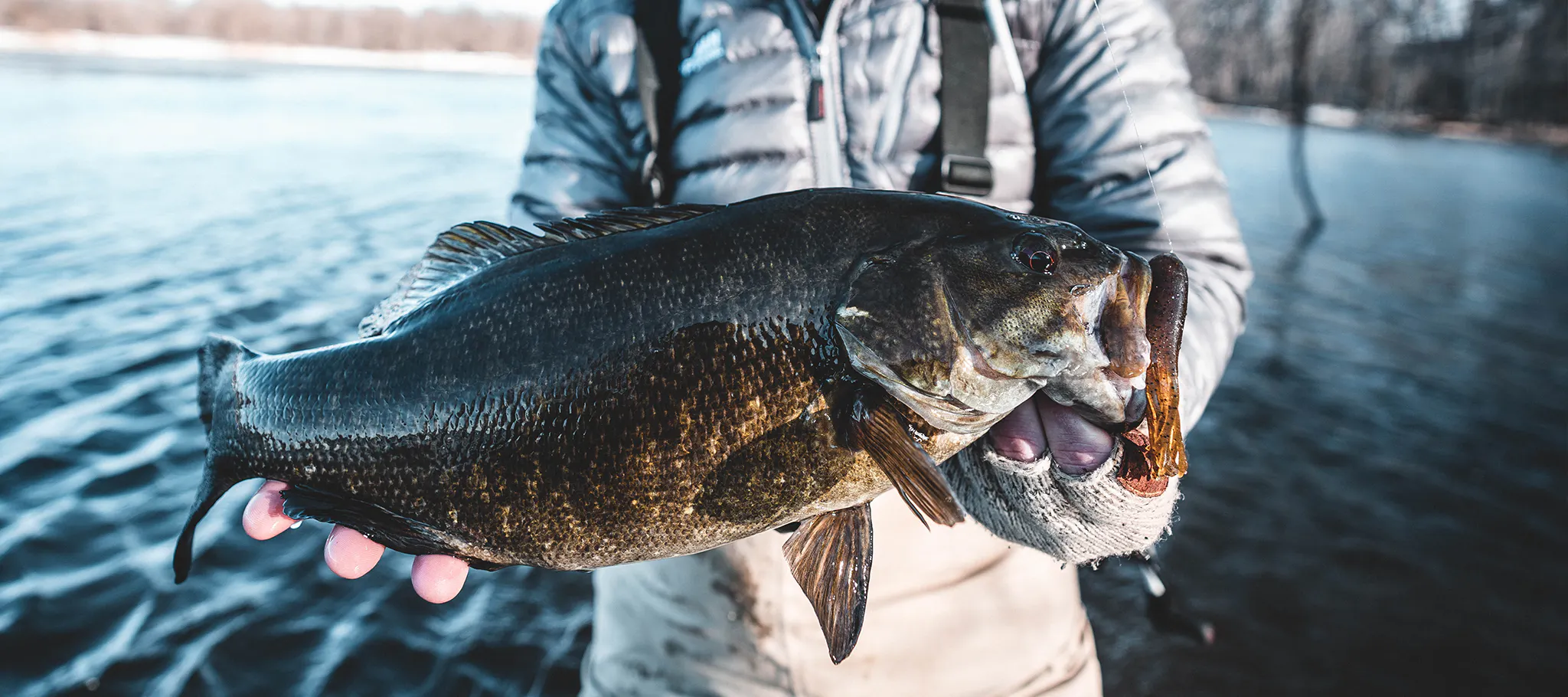
Tube Fishing Guide for Bass: Tips, Techniques, and Gear Recommendations
Tube baits are soft plastic lures characterized by a hollow body and flowing tentacles at the rear. This design closely imitates the appearance and movement of gobies, crayfish, and other small prey fish that bass love to feed on.
• Anatomy of a Tube Bait:
• Hollow Body: Allows for internal rigging and adds a lifelike collapse when bitten, increasing hook-up ratios.
• Tentacles: Provide subtle, lifelike movement that entices bass, even when the lure is stationary.
Rods and Reels
• Spinning Setup:
• Rod: 7’0” medium to medium-heavy fast-action rod.
• Reel: 3000-size spinning reel.
• Line: 10 lb braided main line with an 8-10 lb fluorocarbon leader.
• Use Case: Ideal for lighter tubes and open-hook presentations targeting smallmouth bass in open water.
• Baitcasting Setup:
• Rod: 7’1” to 7’6” medium-heavy fast-action rod.
• Reel: High-quality baitcasting reel with a smooth drag system.
• Line: 14-20 lb fluorocarbon line.
• Use Case: Suited for heavier tubes and flipping techniques around cover when targeting largemouth bass.
Hooks and Weights
• Tube Jig Heads:
• Designed to be inserted into the tube’s hollow body.
• Available in various weights (1/8 oz to 3/8 oz) to match fishing conditions.
• Extra Wide Gap (EWG) Hooks:
• Ideal for Texas rigging and the “stupid tube” method.
• Sizes range from 3/0 to 4/0, perfect for bass fishing.
Selecting the appropriate tube depends on the type of bass you’re targeting and the fishing environment.
Flipping Tubes
• Size: 3.5” to 4”.
• Characteristics: Solid head suitable for EWG hooks.
• Application: Flipping around heavy cover like grass, stumps, and weed mats to entice largemouth bass.
Standard Tubes
• Size: 3.5” to 3.75”.
• Characteristics: Hollow body for internal jig heads or the stupid tube rig.
• Application: Targeting smallmouth bass with a slightly larger profile in open water or rocky areas.
Micro Tubes
• Size: 2” to 2.75”.
• Characteristics: Smaller profile for finicky bass.
• Application: Effective where you’d use a Ned rig; great for pressured bass in clear water conditions.
1. Texas Rig
• Setup:
• EWG hook (4/0 size for 4” tubes).
• Bullet weight (1/4 oz to 3/8 oz) pegged or unpegged.
• Use Case: Flipping into heavy cover; weedless presentation ideal for largemouth bass hiding in vegetation.
2. Exposed Jig Head
• Setup:
• Tube jig head inserted into the tube’s body.
• Weight varies from 1/8 oz to 1/2 oz.
• Use Case: Open water situations; ideal for smallmouth bass feeding around rocks and sand flats.
3. The Stupid Tube
• What is it?
• A unique rigging method that combines internal weighting with a weedless hook point, making it versatile for different bass habitats.
• How to Rig:
• Use a special jig head with an EWG hook.
• Insert the hook point into the head of the tube and rotate it inside the body.
• Exit the hook eye through the top and the hook point through the body, texposing it.
• Advantages:
• Weedless yet offers the internal weight benefits.
• Unique fall and action that entices both largemouth and smallmouth bass.
Casting and Dragging
• Technique:
• Cast the tube to your target area, such as rock piles or sandy flats.
• Let it sink to the bottom.
• Slowly drag or hop it along, imitating a crayfish or goby.
• Tip: Vary your retrieve speed based on bass activity levels. Smallmouth bass may prefer a faster hop, while largemouth may respond to a slower drag.
Flipping and Pitching
• Technique:
• Use the Texas-rigged tube to flip into heavy cover where largemouth bass hide.
• Let it fall vertically to trigger reaction strikes.
• Tip: Keep a tight line to feel subtle bites, as bass often inhale the tube on the fall.
Drifting in Current
• Technique:
• Allow the tube to drift naturally with the current in rivers or streams.
• The stupid tube excels here due to its unique fall and spiral action.
• Tip: Use a weight that keeps the tube near the bottom without snagging, perfect for smallmouth bass in moving water.
Professional angler Bob Downey shares his preferred setups for tube fishing for bass:
Flipping Tube Setup
• Rod: 7’6” medium-heavy fast-action baitcasting rod.
• Line: 20 lb fluorocarbon.
• Application: Short casts and flips into heavy cover targeting largemouth bass.
Stupid Tube Setup
• Rod: 7’1” to 7’3” medium-heavy fast-action baitcasting rod.
• Line: 14-17 lb fluorocarbon.
• Application: Casting and dragging in rocks, sand, and sparse grass for both largemouth and smallmouth bass.
Exposed Hook Tube Setup
• Rod: 7’0” medium fast-action spinning rod.
• Line: 10 lb braid to 8-10 lb fluorocarbon leader.
• Application: Open water targeting smallmouth bass.
Q: How do I choose the right tube size for bass?
A: Match the tube size to the bass species and conditions. Smaller tubes (2”-2.75”) are great for finicky smallmouth bass or pressured waters, while larger tubes (3.5”-4”) attract bigger largemouth bass, especially in murky water or heavy cover.
Q: Can tube fishing be effective in both lakes and rivers?
A: Yes, tube fishing is versatile and effective in various bodies of water. In lakes, target structures like weed lines and drop-offs. In rivers, focus on current breaks and eddies where bass may be holding.
Q: What’s the best color tube for bass fishing?
A: Natural colors like green pumpkin and watermelon are versatile choices. For stained water, consider brighter colors like chartreuse or darker shades like black and blue. Match the color to the prevalent forage and water clarity.
Tube fishing for bass is a highly effective technique that offers versatility and the ability to adapt to various fishing conditions. By understanding how to choose the right tube, rig it properly, and apply effective fishing techniques, you’ll increase your chances of landing more bass.
Whether you’re a beginner or an experienced angler, incorporating tube baits into your arsenal can lead to exciting and rewarding bass fishing experiences. So gear up, hit the water, and enjoy the success that tube fishing can bring!