
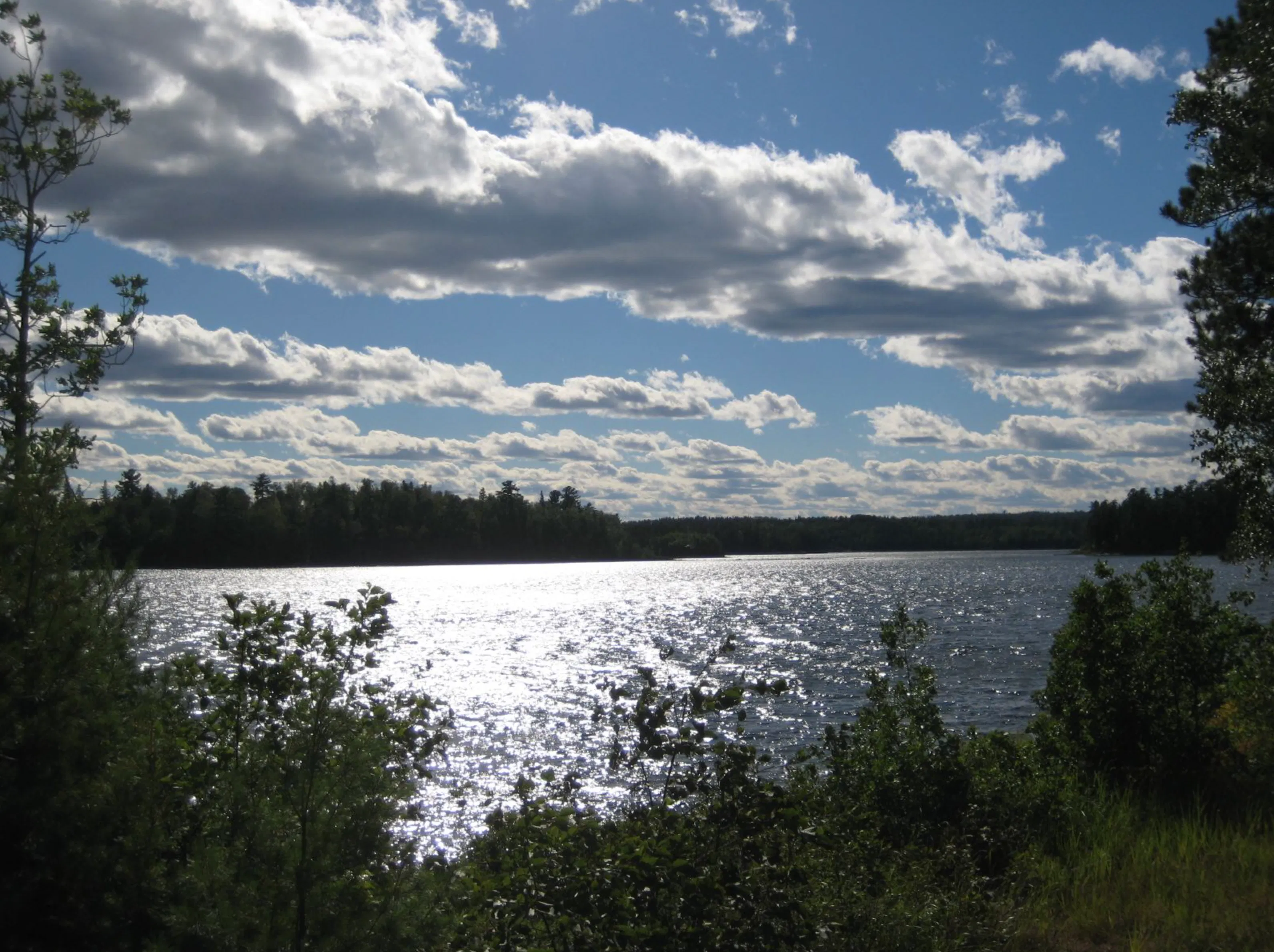
Complete Guide to Fishing Crane Lake, Minnesota: Tips, Spots, and Regulations
Discover everything you need to know about fishing Crane Lake in Minnesota's stunning Voyageurs National Park region. From prime fishing spots to seasonal tips, this comprehensive guide will help you plan your next fishing adventure.
Overview
Crane Lake stands as one of Minnesota's premier fishing destinations, offering anglers an exceptional opportunity to experience world-class fishing in the pristine wilderness of northern Minnesota. Located 28 miles northeast of Orr, this 3,088-acre natural wonder serves as a gateway to Voyageurs National Park and provides year-round fishing opportunities for both novice and experienced anglers.
Best Fishing Spots on Crane Lake
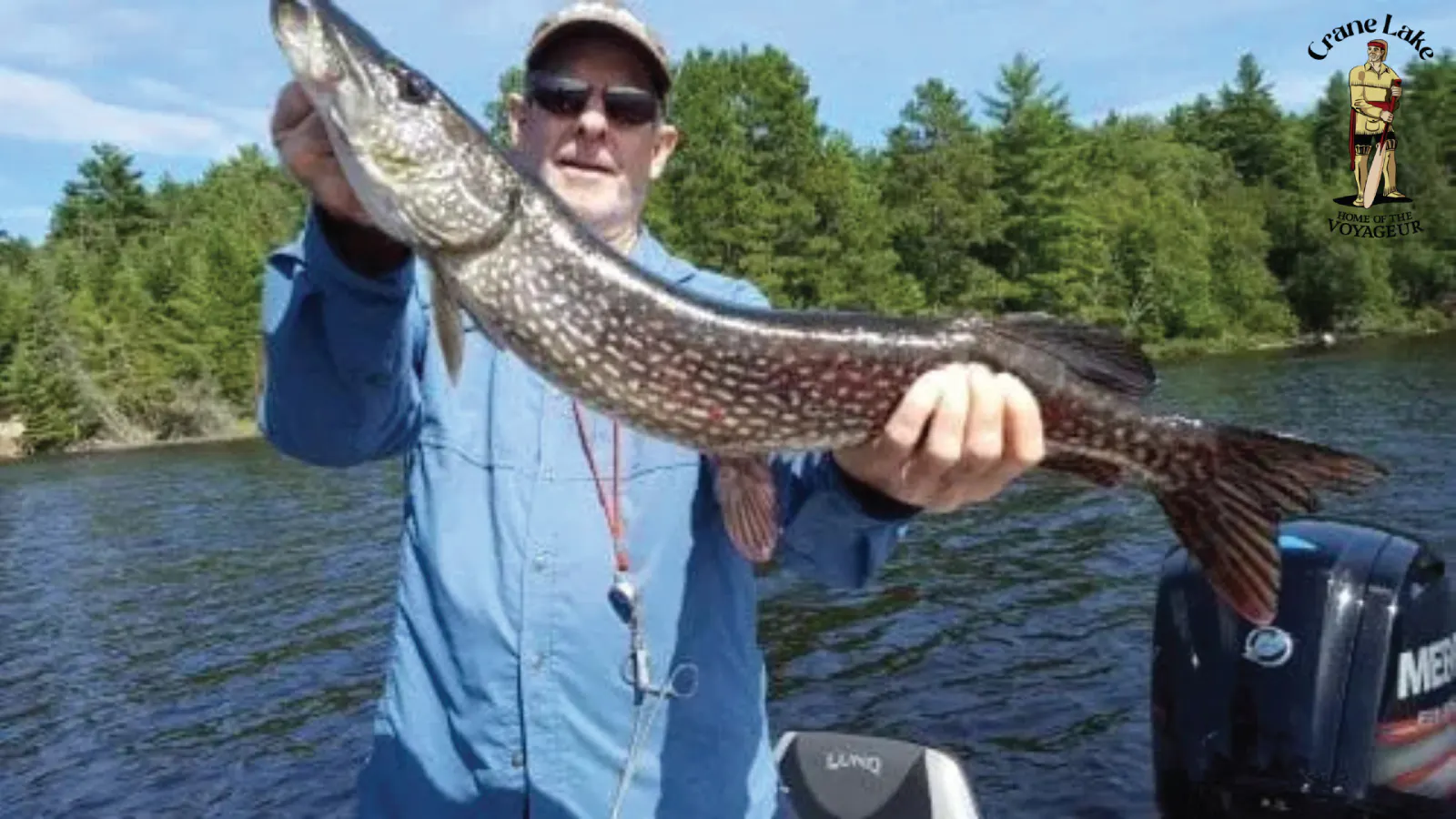
Crane Lake boasts diverse fishing environments, each with its own set of challenges and rewards. With deep-water zones, structured mid-depth areas, and shallower bays, the lake offers anglers multiple options for finding their target species. Here’s what you need to know about each type of spot.
Deep Water Areas (60-80 feet)
- Gold Portage area for summer walleye
- King Williams Narrows for trophy fish
- North Bay's deep holes for late-summer fishing
Structure Fishing (15-30 feet)
- Sand Point entrance rocky reefs
- Norwegian Bay underwater humps
- Eastern shore rock piles for smallmouth bass
Shallow Bays (5-15 feet)
- Indian Portage Bay for spring walleye
- West Bay weed beds for crappie
- Resort Bay for early season fishing
Seasonal Fishing Guide
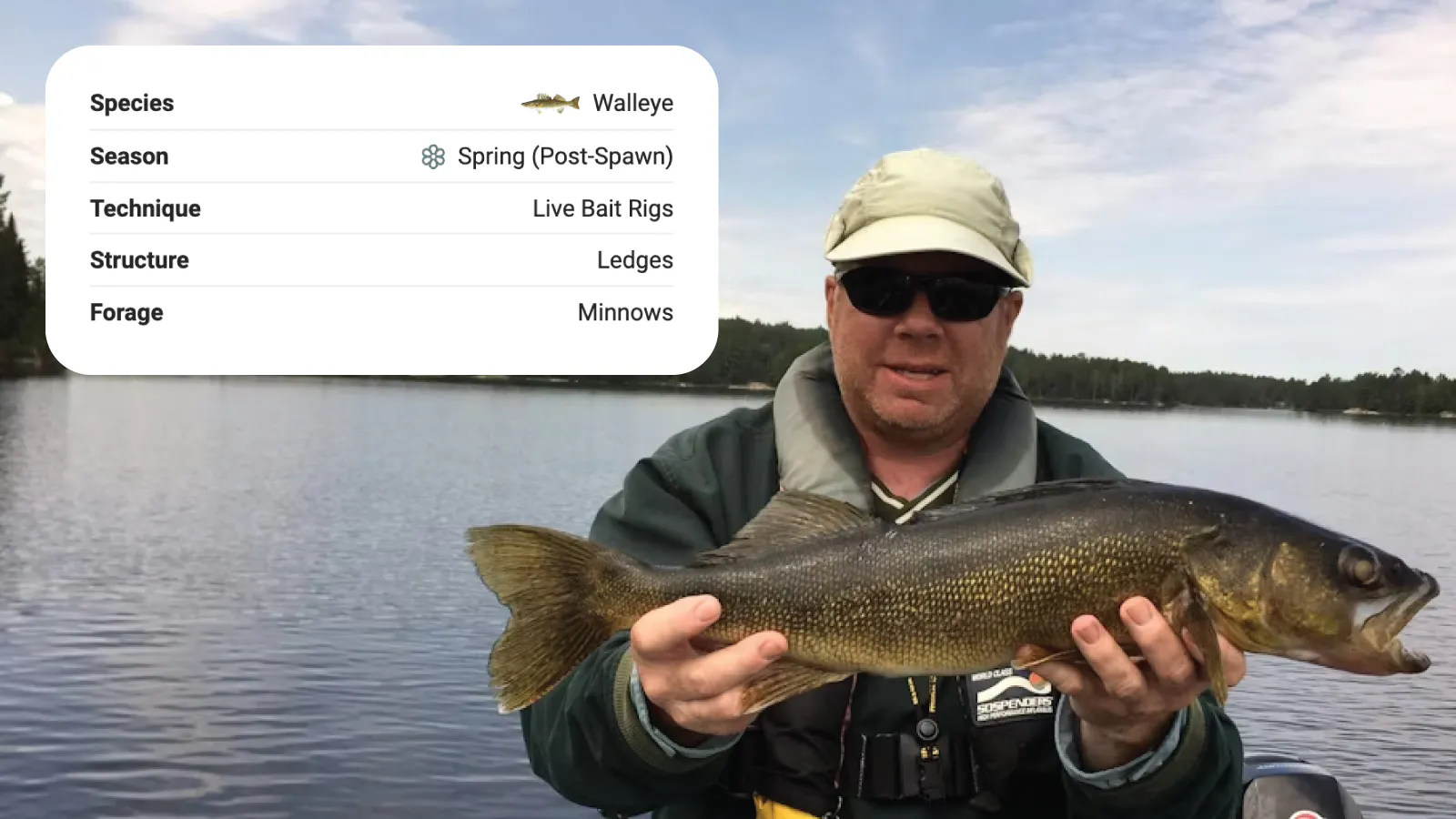
Fishing at Crane Lake changes with the seasons, as different species become active and shift locations throughout the year. Each season offers unique opportunities, from spring’s spawning walleye in the shallows to winter’s rewarding ice fishing spots. This guide provides an overview of seasonal patterns and tips for maximizing your catch, whether you're fishing in warming spring waters or braving the ice in winter.
Spring (May-June)
- Focus on shallow bays and warming waters
- Target spawning walleye near rocky areas
- Use live bait rigs with minnows
- Best time for trophy northern pike
Summer (July-August)
- Fish deeper structures during daylight
- Try night fishing for walleye
- Use crawler harnesses and deep-running crankbaits
- Target smallmouth bass near rocky points
Fall (September-October)
- Return to moderately shallow waters
- Focus on weed edges for multiple species
- Use jigging techniques for walleye
- Excellent time for trophy fish
Winter (December-March)
- Ice fishing opportunities throughout the lake
- Target deep holes for walleye
- Fish shallow bays for crappie
- Use tip-ups for northern pike
Effective Fishing Techniques
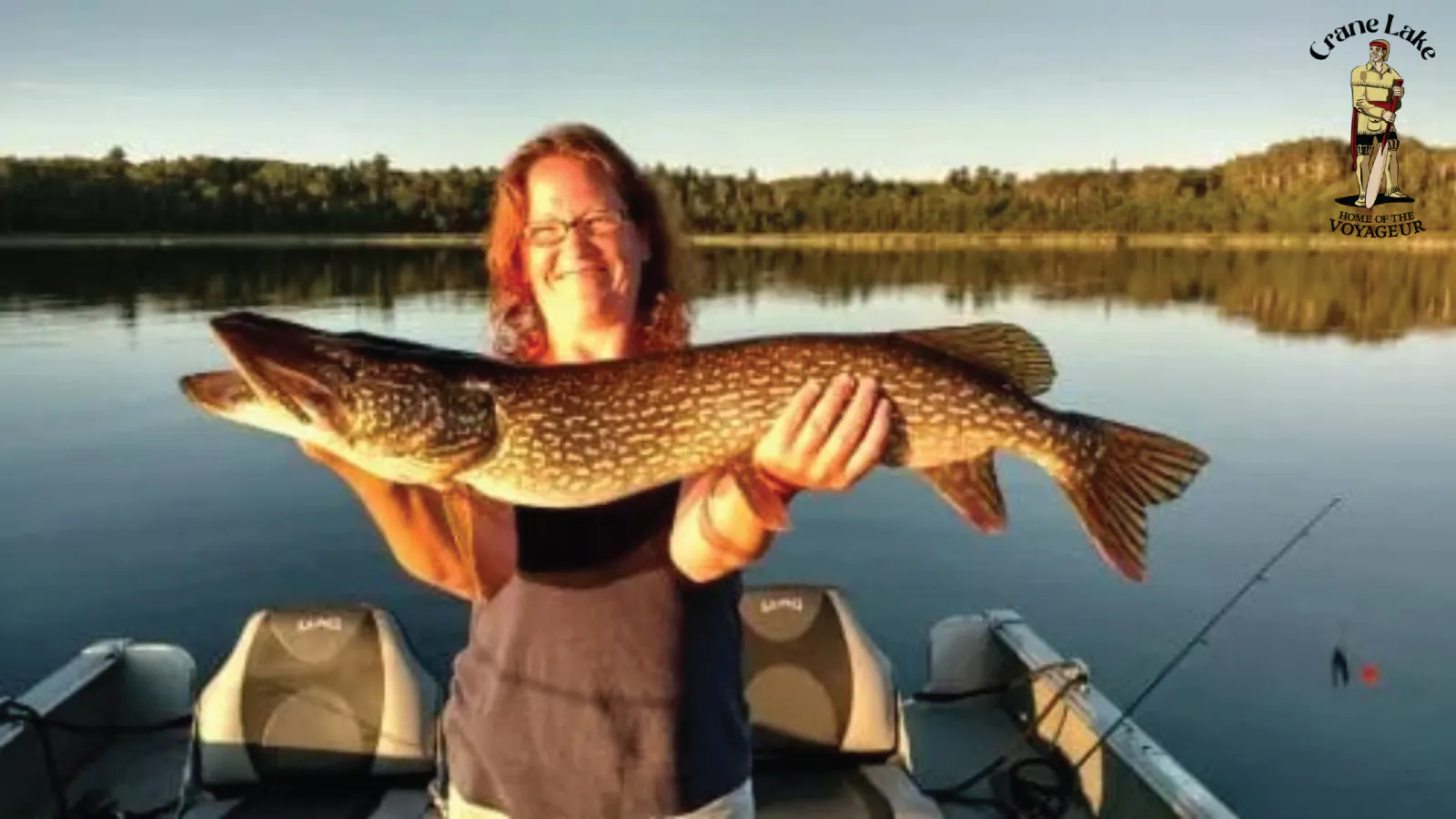
Each species at Crane Lake responds best to tailored techniques. Adjusting your approach—whether jigging for walleye, light tackle for crappie, or targeting rocky points for bass—will greatly increase your chances of success.
Walleye Fishing
- Jig and minnow combinations
- Lindy rigs with leeches or nightcrawlers
- Trolling with crankbaits
- Slip bobber rigs in shallow water
Crappie Fishing
- Small jigs with plastic tails
- Live minnows under bobbers
- Vertical jigging in deeper water
- Light line techniques (4-6 lb test)
Smallmouth Bass
- Tube jigs on rocky points
- Topwater lures in early morning
- Crawfish imitations
- Drop shot rigs for deep fish
Local Regulations and Licenses
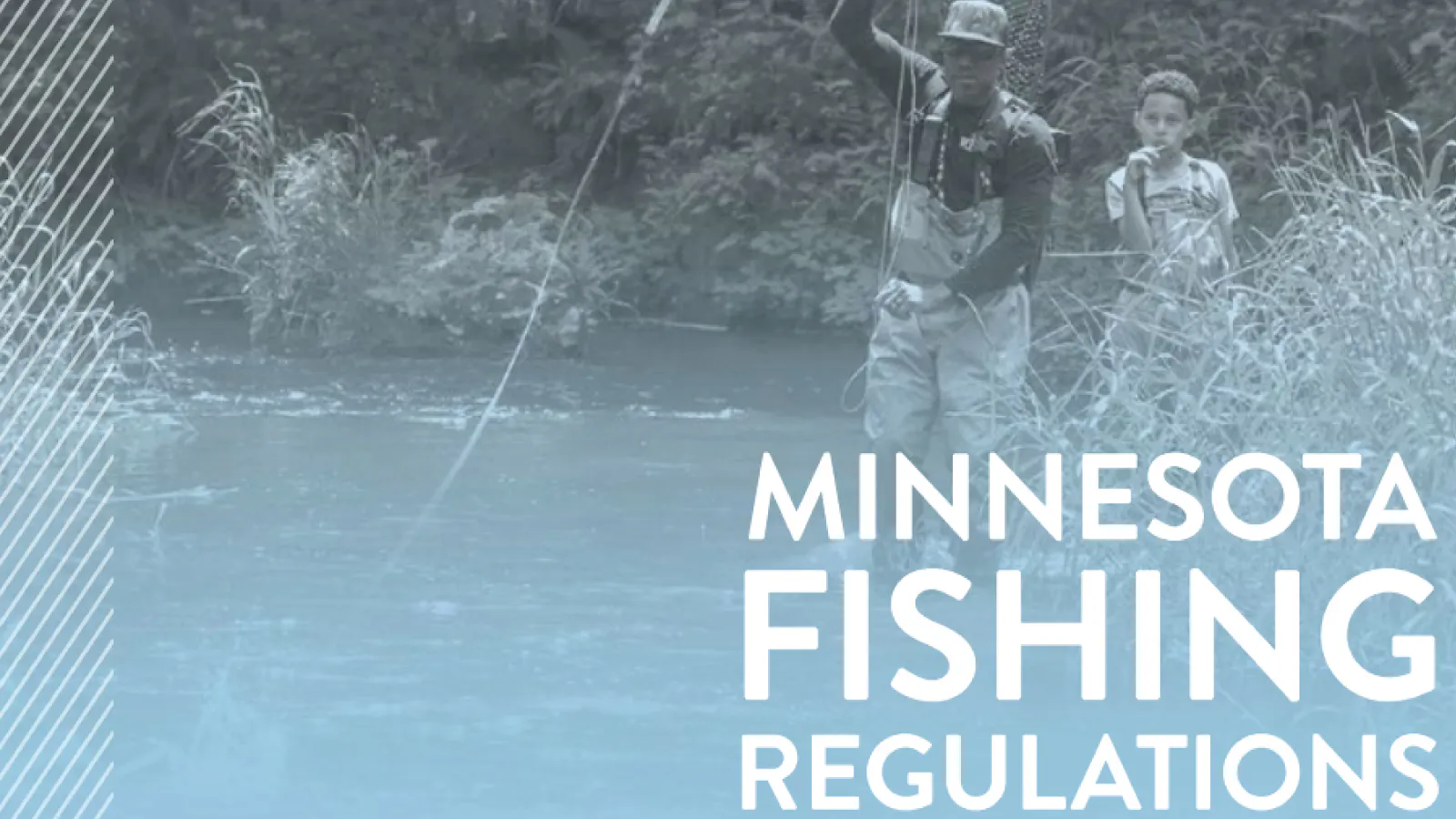
Understanding Minnesota’s local fishing regulations and license requirements is essential for a successful fishing trip to Crane Lake. The following sections outline the necessary licenses and specific rules for species like walleye, helping you stay compliant while protecting the lake’s natural resources.
License Requirements
- Minnesota fishing license required
- Special stamp needed for trout fishing
- Available online or at local retailers
Specific Regulations
- Walleye: 18-26 inches must be released
- One walleye over 26 inches allowed
- Check current regulations for other species
- Special regulations may apply during spawning
Conservation and Best Practices
- Practice catch and release for trophy fish
- Use appropriate handling techniques
- Properly dispose of fishing line
- Clean boats to prevent invasive species
- Follow leave-no-trace principles
Planning Your Trip
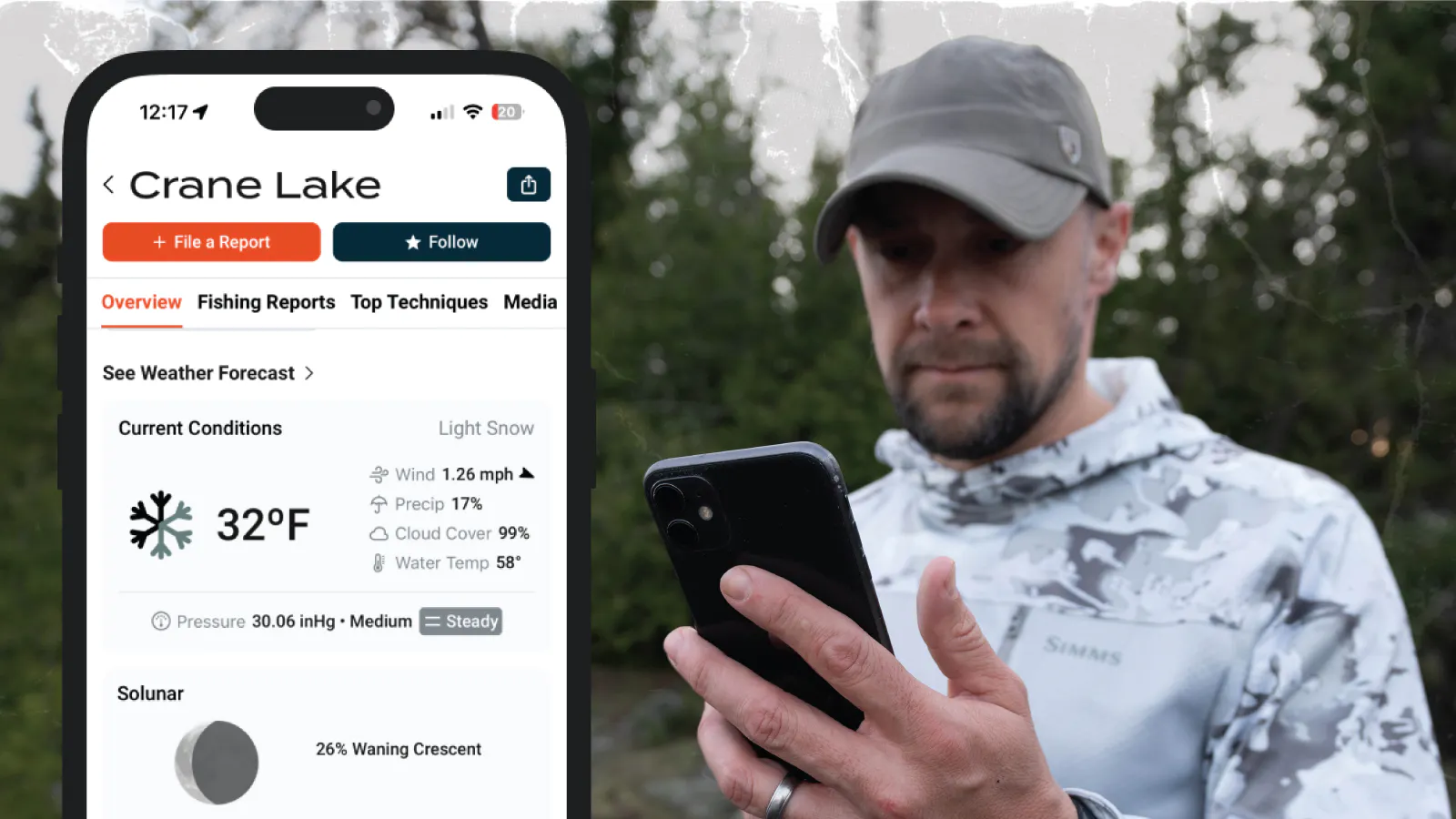
Preparing for a fishing trip to Crane Lake requires some planning to make the most of the experience. Knowing the best seasons, recommended gear, and local conditions will help you have a successful outing. In this section, you’ll find tips on timing your trip, gearing up, and navigating local resources to ensure a smooth and enjoyable adventure.
Best Times to Visit
- Peak season: May through September
- Prime ice fishing: January-March
- Fall trophy season: September-October
Tips for Success
- Check weather conditions before heading out
- Monitor fishing reports from local guides
- Use local bait shop intelligence
- Practice different techniques
- Be prepared for weather changes
- Bring appropriate safety gear
Conclusion
Crane Lake offers exceptional fishing opportunities throughout the year. With proper planning, understanding of regulations, and respect for the environment, anglers can experience some of Minnesota's finest fishing. Whether you're targeting trophy walleye, fighting smallmouth bass, or enjoying a peaceful day catching crappie, Crane Lake provides an unforgettable fishing experience in one of America's most beautiful settings.
Remember to check current regulations and obtain necessary licenses before your fishing trip. Conditions and regulations may change seasonally.
Frequently Asked Questions
What are the best times of year to fish in Crane Lake?
Peak fishing season at Crane Lake runs from late spring through early fall, with each part of the season bringing unique opportunities. Spring is ideal for walleye, while summer is prime time for bass and northern pike.
Are there any fishing regulations specific to Crane Lake?
Yes, Crane Lake follows certain regulations that apply to Minnesota fishing, covering size limits, seasonal restrictions, and daily limits. Make sure to check the latest guidelines from the Minnesota Department of Natural Resources before your trip.
Are there any lodging options near Crane Lake for multi-day fishing trips?
Yes, there are plenty of lodges, campgrounds, and cabins around Crane Lake that are perfect for anglers. Many even offer boat rentals and guided fishing services, making it easy to plan a longer stay.
What species of fish can I catch in Crane Lake?
Crane Lake is home to numerous species including walleye, northern pike, smallmouth bass, crappie, and sauger. The lake's diverse habitat supports a healthy population of both game and pan fish.
Do I need a fishing license to fish in Crane Lake?
Yes, you need a valid Minnesota fishing license. These can be purchased online through the Minnesota DNR website or at local bait shops and sporting goods stores.
Can I ice fish on Crane Lake?
Yes, Crane Lake offers excellent ice fishing opportunities during winter months. Many resorts and guides offer ice fishing services, including heated fish houses and equipment rentals.
Are fishing guides available on Crane Lake?
Yes, several professional fishing guides and outfitters operate on Crane Lake. They provide various services from half-day trips to full-day excursions with all equipment included.
What's the best bait to use when fishing Crane Lake?
The most effective bait varies by season and target species. Live bait like minnows and leeches work well for walleye, while artificial lures are popular for bass and northern pike. Local bait shops can provide current recommendations.
Keywords: Crane Lake fishing, Minnesota fishing spots, Voyageurs National Park fishing, walleye fishing Minnesota, ice fishing Crane Lake, fishing guides Minnesota, fishing regulations Crane Lake